ChatGPT Plus: When Faster Models Change Your Weekly Workflow
Translate usage hours into money: heavy daily users feel subscription cost differently.
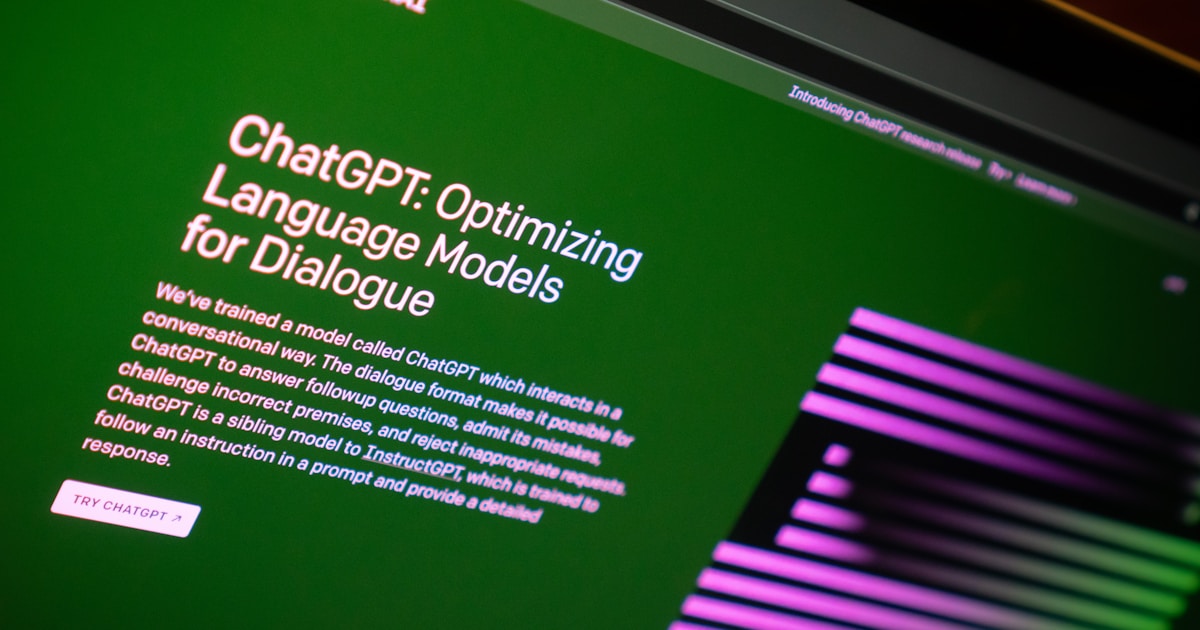
Households rarely subscribe to just one service. When ChatGPT Plus sits next to Gemini 3 Pro on the same card statement, the combined monthly total becomes the number that actually matters for your budget.
Getting concrete numbers
Open your bank app, filter for digital services, and note the exact amount charged for ChatGPT Plus. Round numbers hide cents that add up over a year.
Next step
After you know your baseline, decide one change to test for thirty days: cancel, downgrade, or switch billing cycle.
One practical approach is to group tools by outcome: entertainment, learning, work productivity, and fitness. Place ChatGPT Plus in the right bucket, then ask whether a cheaper tier, annual billing, or a household plan changes the monthly average.
Practical tips
- Re-run your numbers after any price increase email; platforms often grandfather older rates briefly.
- Decide one change to test for 30 days: cancel, downgrade, or switch billing cadence.
- Compare what you pay to reference estimates to see if you are an outlier—then verify current public offers.
- Block 15 minutes, export transactions, and highlight ChatGPT Plus before you optimize anything else.
If ChatGPT Plus is essential for work or school, document that justification—it makes it easier to keep while cutting something else that is only habitual.
Try your numbers in the calculator
The SubSaved calculator is free: choose the services you pay for (including ChatGPT Plus), enter your monthly amounts, and see your total compared to reference pricing—helpful for renewals, downgrades, and spotting overlap with ChatGPT Plus and the rest of your stack.